


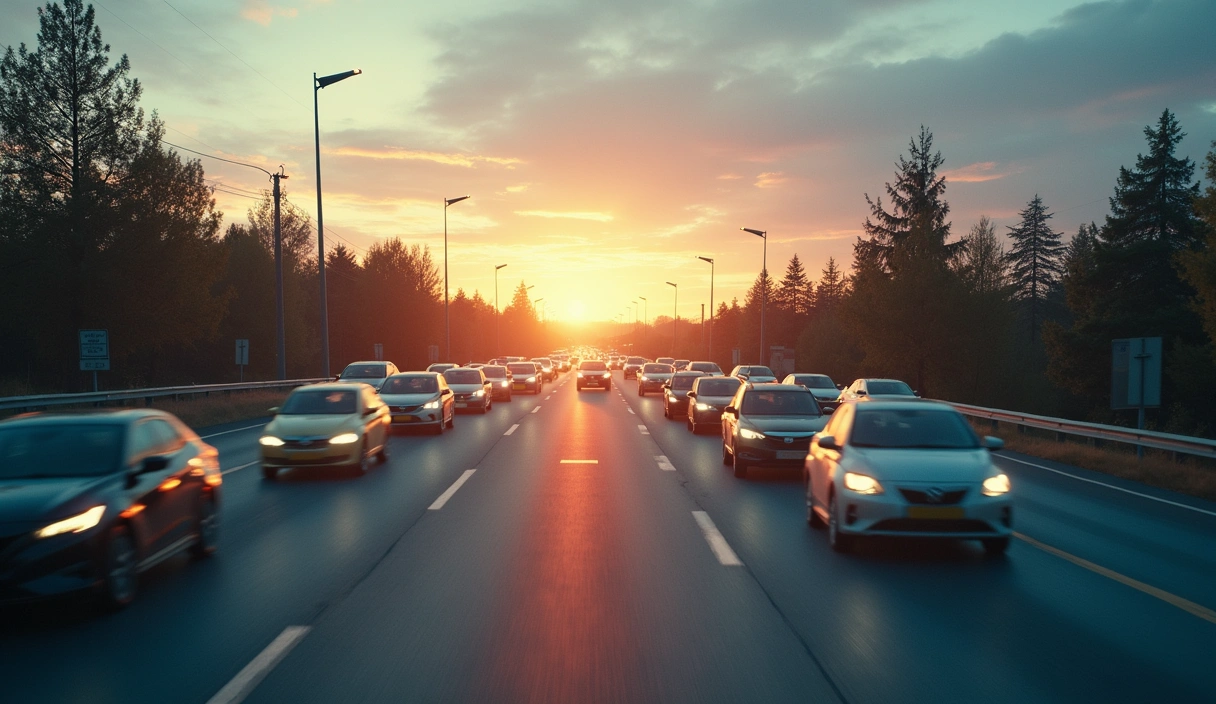
A few months ago, a driver was on a crowded highway with his wife and son. Traffic was barely moving. Vehicles were inching forward, one small gap at a time, with impatience in the air.
Suddenly, there was a loud bang. It sounded like something had burst. For a second, the driver did not understand what had happened. Then he realized a motorcyclist trying to squeeze through the narrow space between cars had hit them. The side bar of the motorcycle struck the side of the car.
The driver felt a rush of anger. His first thought was to get out and yell at the motorcyclist. But he paused. He remembered a quote from Viktor Frankl: “Between stimulus and response there is a space. In that space is our power to choose our response.”
He took a breath. He looked at his wife and son. They were safe. The car had a small dent, but nothing serious. He decided not to react in anger.
The motorcyclist also stopped. He looked scared. The driver got out and checked if the motorcyclist was hurt. He was not. The driver told the motorcyclist it was okay and that everyone was safe. The motorcyclist apologized. The driver said it was fine and they went their separate ways.
The driver later thought about what could have happened if he had reacted with anger. A small accident could have turned into a big fight. His son would have seen him yelling. The whole situation would have been worse.
Choosing not to react in anger changed the outcome. The driver felt calm. The motorcyclist was grateful. The family continued their trip without stress.
This story shows the power of pausing before reacting. In daily life, small things can trigger anger. A rude comment, a slow driver, a mistake at work. The space between stimulus and response allows a person to choose a better path.
Anger often leads to regret. A quick reaction can damage relationships or cause problems. Taking a moment to breathe can prevent that. It is not about ignoring feelings. It is about controlling actions.
The driver now tries to apply this lesson in other situations. When someone cuts in line, he pauses. When he feels frustrated, he takes a breath. He finds that most things are not worth getting angry about.
His family also benefits. His son sees a calm father. His wife feels safe. The small decision to pause has a big impact on their daily life.
This approach does not mean being passive. It means being smart about when and how to respond. Anger can be useful in some cases, but often it makes things worse. The space between stimulus and response gives a person the chance to think clearly.
The driver learned that day that a small dent on a car is not a big deal. A damaged relationship is. Choosing not to react in anger saved time, energy, and peace of mind.
